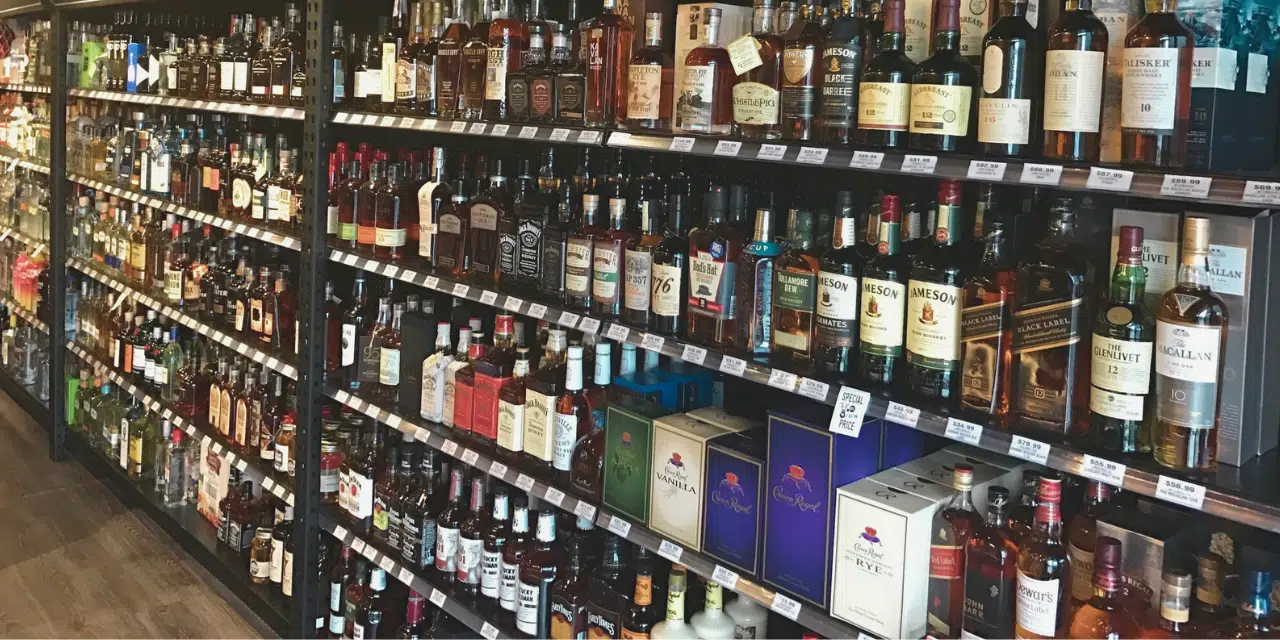
Recent updates to liquor regulations are causing a major shift in the nightlife industry across the region. These new rules, implemented by local authorities, aim to enhance safety and regulate alcohol sales more strictly. However, they have also introduced challenges for bars, clubs, and restaurants, which now face increased compliance measures and licensing procedures.
The new regulations include stricter licensing requirements, limitations on operating hours, and enhanced safety protocols. For example, some establishments are now required to implement additional security measures, such as ID checks and surveillance systems, to ensure compliance with the updated laws.
Business owners and industry stakeholders have expressed concerns over the potential economic impact of these changes. Many worry that increased restrictions could lead to reduced patronage and revenue, especially during peak nightlife hours. Some venues have already reported a decline in customer numbers since the enforcement of the new rules.
Local government officials have defended the regulations, stating that they are necessary to promote public safety and reduce alcohol-related incidents. They emphasize that these measures are designed to create a safer environment for both patrons and staff, and to curb illegal alcohol sales and underage drinking.
In response to the changes, some nightlife venues are exploring new strategies to adapt. These include diversifying entertainment offerings, adjusting operating hours, and investing in staff training to better handle compliance issues. Additionally, industry associations are advocating for clearer guidelines and support to help businesses navigate the new legal landscape.
Community members have mixed reactions to the regulations. Some support the efforts to improve safety, while others are concerned about the potential negative effects on local nightlife culture and economy. As the industry continues to adjust, stakeholders are calling for ongoing dialogue with authorities to find a balanced approach that supports both safety and economic vitality.
Overall, the new liquor rules are reshaping the nightlife scene, prompting a period of transition and adaptation for businesses and patrons alike. The long-term impact remains to be seen, but it is clear that the industry must evolve to meet the new regulatory environment.